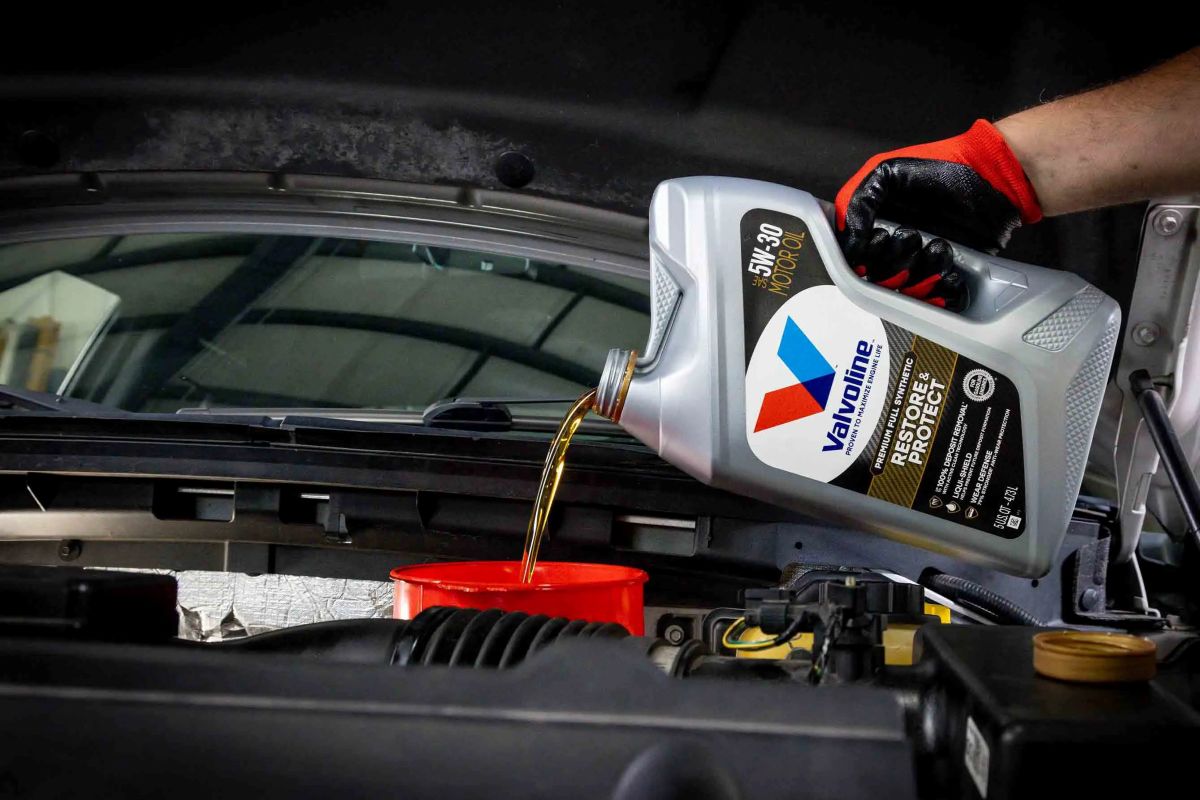
Engine oil is a fundamental component in the mechanical system of any internal combustion engine. Its role extends beyond mere lubrication to include thermal, chemical, and functional aspects that directly affect engine efficiency, reliability, and service life. With the advancement of modern engine technologies, selecting the appropriate engine oil based on its chemical composition and performance characteristics has become increasingly critical.
Historical Development of Engine Oils
In the early stages of automobile manufacturing, engine oils were simple mineral oils extracted directly from crude oil refining, offering limited resistance to oxidation and thermal degradation. With the increase in engine pressures and rotational speeds, there emerged a need for enhanced oils containing chemical additives. Later, semi-synthetic and fully synthetic oils were developed, which today constitute the standard choice for modern engines.
Chemical Composition of Engine Oil
Engine oil consists of two primary components: base oil and additives. The base oil constitutes the majority of the formulation and determines the physical properties such as viscosity and thermal stability. Additives include anti-wear agents, viscosity modifiers, detergents and dispersants, antioxidants, and foam inhibitors. The precise balance between these components governs the oil’s quality and its ability to perform under demanding operating conditions.
Effect of Oil on Friction and Efficiency
Engine oil plays a critical role in reducing friction between moving parts, including the crankshaft, camshafts, and cylinder walls. Reduced friction not only minimizes wear but also enhances mechanical efficiency and reduces fuel consumption. Modern low-viscosity oils are specifically formulated to achieve these benefits without compromising engine protection.
Role of Oil in Thermal Management
Engine oil contributes to heat dissipation from hot engine components, particularly in areas inaccessible to coolant. Poor thermal performance of oil leads to localized temperature increases, accelerating oil degradation and increasing the risk of component damage. Therefore, resistance to oxidation and thermal breakdown is among the most important properties of oil in modern engines.
Oil and Emission Control Systems
With stricter environmental standards, engines are equipped with advanced exhaust treatment systems, such as catalytic converters and particulate filters. The type of engine oil directly impacts the longevity of these systems. Oils with high levels of ash, sulfur, and phosphorus can cause filter blockage or catalyst poisoning. Consequently, low-emission oils have been developed to ensure compatibility with modern emission control technologies.
Oil Change Intervals and Their Importance
Oil change intervals depend not only on distance traveled but also on oil type, operating conditions, and driving patterns. Modern synthetic oils maintain their properties for extended periods; however, exceeding recommended service intervals can result in oil degradation and loss of protective capability.
Conclusion
Engine oil is not merely a consumable; it is an integral engineering component that affects performance, efficiency, reliability, and environmental impact. Proper understanding of engine oil characteristics and selecting the appropriate oil according to engine design and operating conditions is essential for preserving engine integrity, extending service life, and achieving optimal performance.