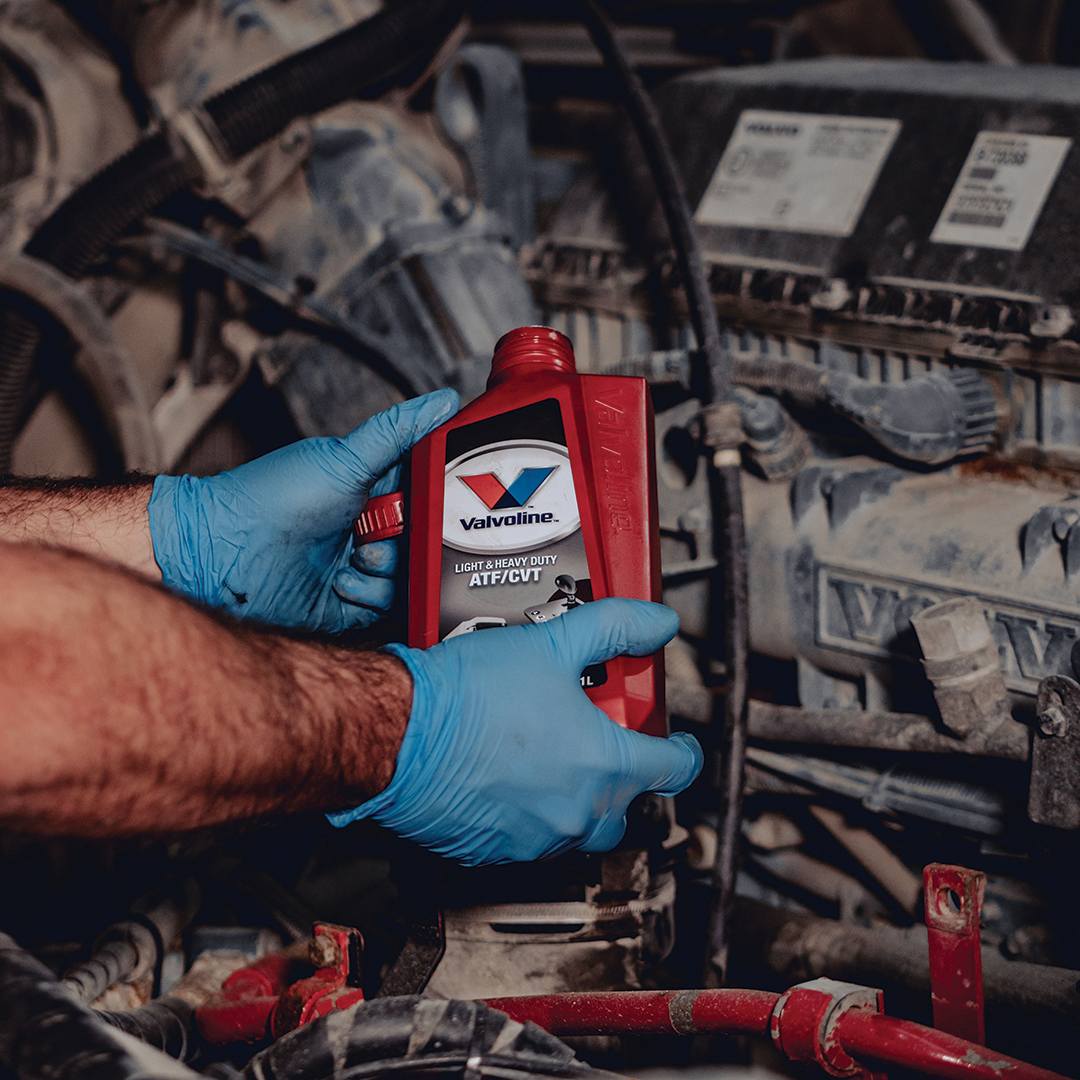
What is the importance of transmission fluids?
Transmission fluids are an essential component in ensuring the smooth and efficient operation of the power transfer system, whether in modern or traditional vehicles. Many vehicle owners focus on engine oil and neglect the importance of transmission fluid, despite its pivotal role in protecting internal components, reducing friction, and ensuring proper gear shifting response. A scientific understanding of the types and properties of these fluids helps vehicle owners make correct maintenance decisions, extending the operational life of the transmission and preventing costly failures.
What are the main types of transmissions and their suitable fluids?
- Manual Transmission: Relies on mechanical gears and requires a fluid with high pressure tolerance and wear resistance, such as gear oils meeting API GL-4 specifications (for synchronized gears) or GL-5 (for heavy loads), with common viscosity grades like SAE 75W-90 or 80W-90. These fluids provide a strong lubrication layer that protects gear surfaces under high loads.
- Conventional Automatic Transmission: Uses a special fluid known as ATF (Automatic Transmission Fluid), which serves as a hydraulic medium for pressure transfer, controlling valves and clutches, in addition to lubrication. It features low viscosity and high thermal stability, and must match manufacturer specifications such as Dexron (GM) or Mercon (Ford).
- Continuously Variable Transmissions (CVT): Use a dedicated fluid that differs completely from conventional ATF, designed to handle metal belts or chains, with a precisely controlled friction coefficient to prevent slippage.
- Dual-Clutch Transmissions (DCT): Combine characteristics of manual and automatic transmissions, using a special fluid for wet clutches or a combination for mechanical and hydraulic parts. Strict adherence to the manufacturer’s recommendations is required.
What are the primary functions of transmission fluid?
Transmission fluid performs several essential functions:
- Lubricating gears, bearings, and moving components to reduce friction and wear.
- Cooling internal components by absorbing heat and transferring it away.
- Transmitting hydraulic pressure in automatic transmissions to ensure precise operation of valves and clutches.
- Cleaning the transmission of deposits and metal particles through detergent additives.
When should transmission fluid be changed?
Change intervals vary depending on the transmission type, design, and operating conditions (such as traffic congestion or high temperatures):
- In manual transmissions: Typically between 60,000 and 100,000 km.
- In conventional automatic transmissions: Between 40,000 and 80,000 km.
- In CVT and DCT transmissions: Often between 40,000 and 60,000 km, as they are more sensitive. The concept of “lifetime fluid” is misleading in most cases, as the fluid degrades thermally and chemically over time, even under ideal conditions.
What are the methods for changing transmission fluid?
- Partial Method (Drain and Fill): Draining the fluid from the transmission pan only and replacing it; simple but removes only a portion (30-50%) of the old fluid remaining in the torque converter or channels.
- Full Method (Flush): Using a machine to expel the old fluid completely and replace it with new; more effective but requires specialized equipment and expertise. In some transmissions, it is preferable to replace the fluid filter and clean the pan and magnets to remove deposits.
What are the important tips for vehicle owners?
- Using a non-matching fluid can cause clutch slippage, shifting difficulties, or transmission damage.
- A change in fluid color to dark or a burnt smell indicates degradation requiring immediate replacement.
- Small leaks lead to low fluid levels and severe failures.
- Adherence to the manufacturer’s recommendations is the primary reference for fluid selection and change intervals.
Transmission fluid is not just a liquid, but a precisely engineered component tailored to the nature of each transmission. Proper care, selecting the right fluid, and timely changes are key factors in maintaining smooth driving, avoiding costly failures, and extending the life of the power transfer system.
At Arwad Lubricants Co., we provide our customers with a wide range of high-quality transmission fluids from Valvoline, including ATF, CVT, DCT, conventional transmission fluids, and others with various viscosity grades. These fluids are designed to precisely meet manufacturer requirements, offering optimal protection against wear and heat, ensuring excellent performance and extended life for your vehicle’s transmission.