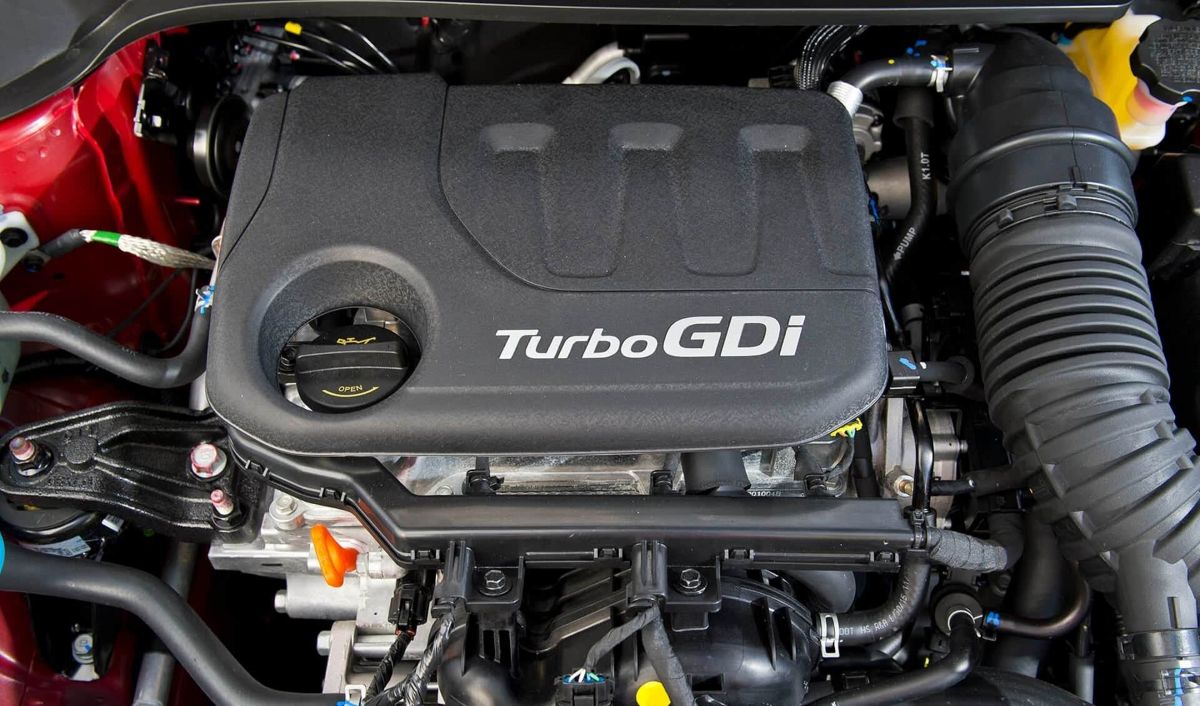
Internal combustion engines have undergone significant development over recent decades with the aim of improving fuel efficiency and reducing emissions. One of the most prominent technologies to emerge from this evolution is Gasoline Direct Injection, commonly known as GDI. This technology relies on injecting fuel directly into the combustion chamber rather than into the intake port, resulting in higher performance and improved thermal efficiency. However, it also imposes specific and demanding requirements on engine oil selection.
What Are GDI Engines
GDI engines are gasoline engines that use a high-pressure direct injection system to deliver fuel directly into the cylinder. This approach enables precise control over fuel quantity, injection timing, and spray pattern, leading to more efficient combustion, improved torque output, and reduced fuel consumption compared to port fuel injection engines.
From a thermal and mechanical perspective, GDI engines operate under more severe conditions. Combustion chamber temperatures and pressures are higher, and the formation of fine combustion byproducts increases, which can adversely affect both engine oil and internal engine components.
Key Challenges in GDI Engines
- Deposit formation on intake valves
In GDI engines, fuel does not pass over the intake valves, eliminating the natural cleaning effect present in conventional fuel injection systems. As a result, carbon deposits tend to accumulate on the valves, particularly when unsuitable oil is used or oil change intervals are extended.
- Low-Speed Pre-Ignition (LSPI)
LSPI is one of the most critical challenges in modern GDI engines, especially those equipped with turbochargers. It occurs due to undesirable interactions between the air-fuel mixture and engine oil within the combustion chamber. LSPI can cause severe knocking and lead to serious mechanical damage to pistons and connecting rods.
- Fuel dilution of engine oil
Due to the nature of direct injection, a portion of unburned fuel can wash down the cylinder walls and mix with the engine oil. This fuel dilution reduces oil viscosity and compromises its lubricating and protective capabilities.
Importance of Proper Engine Oil Selection for GDI Engines
Selecting engine oil for GDI engines is not limited to choosing the correct viscosity grade. It also depends heavily on the oil formulation and additive chemistry. The appropriate oil must be designed to withstand high thermal loads, resist oxidation, and prevent deposit formation.
- Resistance to LSPI
Engine oils formulated for modern GDI engines contain specialized additives that significantly reduce the likelihood of low-speed pre-ignition. This characteristic has become a fundamental requirement in current engine oil specifications.
- Deposit control
The oil must exhibit strong detergency and dispersancy to minimize carbon deposit formation, both within the combustion chamber and in critical lubrication areas such as piston rings.
- Thermal stability and oxidation resistance
Operation at elevated temperatures requires an oil with high chemical stability that resists degradation, thereby maintaining its performance characteristics over extended service intervals and reducing the formation of acids and sludge.
- Viscosity retention
An oil suitable for GDI engines must retain its viscosity even in the presence of a limited amount of fuel dilution, ensuring a stable lubricating film and continuous protection of moving components.
Recommended Oil Specifications for GDI Engines
Most vehicle manufacturers recommend engine oils that meet modern specifications such as API SP or the latest ACEA standards. These specifications were specifically developed to address the challenges associated with direct injection engines, particularly LSPI and accelerated wear. Fully synthetic or synthetic-based oils are generally preferred due to their superior thermal stability and overall performance.
Summary
GDI engines offer clear advantages in terms of efficiency and performance, but they also demand greater care in engine oil selection. Using an unsuitable oil can accelerate wear, increase deposit formation, and contribute to severe issues such as low-speed pre-ignition. Therefore, adhering to manufacturer-recommended oil specifications and modern industry standards is essential to maintaining the performance, reliability, and service life of GDI engines.