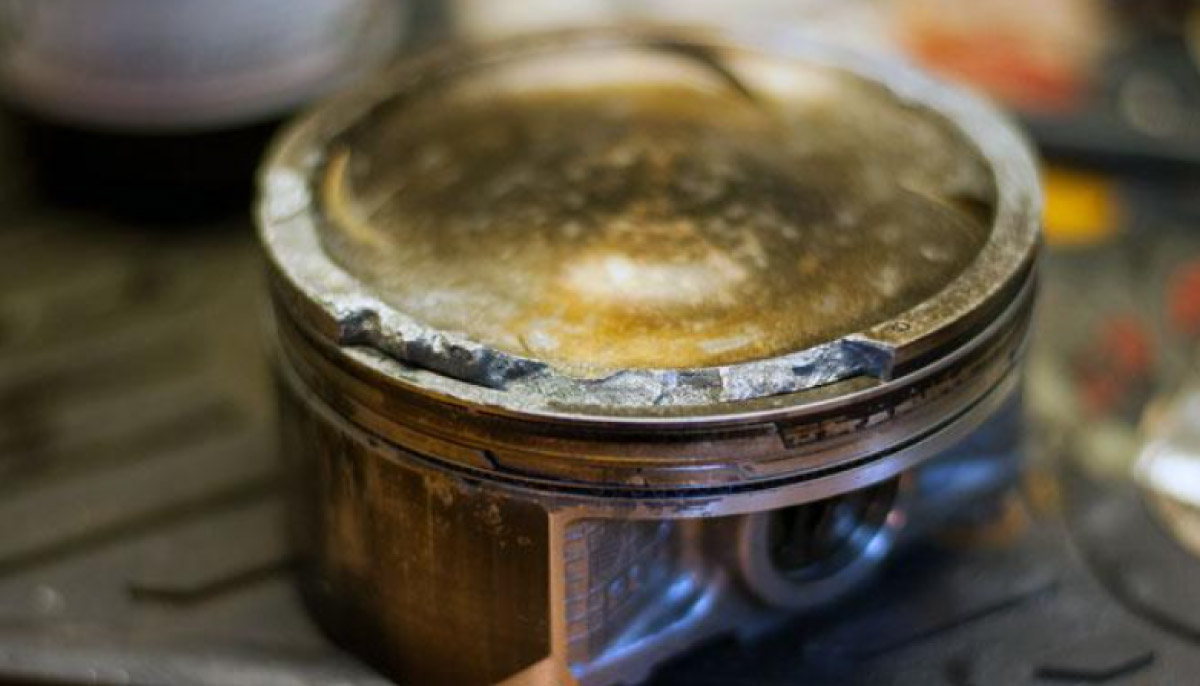
What is Low-Speed Pre-Ignition (LSPI)?
Low-Speed Pre-Ignition (LSPI) is an abnormal combustion phenomenon that occurs in modern gasoline engines, particularly those equipped with Gasoline Direct Injection (GDI) systems and turbocharging. This ignition happens suddenly before the spark timing specified by the spark plug, at low engine speeds under high load conditions. LSPI is characterized by its high intensity, generating enormous pressures inside the cylinder, which can lead to severe mechanical damage in a short time, such as piston breakage or valve damage.
What is the difference between LSPI and conventional knocking?
Conventional knocking (or detonation) occurs after the spark plug ignition, resulting from irregular combustion of the air-fuel mixture, and is generally less violent. In contrast, LSPI occurs before the electrical spark and in a completely unpredictable manner. Additionally, LSPI generates significantly higher internal pressures compared to conventional knocking, making it more destructive. Conventional knocking can be partially controlled by adjusting ignition timing or compression ratio, whereas predicting or directly controlling LSPI is much more challenging.
Why are Gasoline Direct Injection (GDI) engines more susceptible to LSPI?
Gasoline Direct Injection (GDI) engines operate with high injection pressures and elevated temperatures inside the combustion chamber, increasing the likelihood of fuel mixing with engine oil. Furthermore, fine oil droplets are more common in the combustion chamber due to engine design, especially with frequent operation at high torque and low engine speeds—the ideal conditions for LSPI occurrence in modern downsized turbocharged engines.
What is the relationship between engine oil and the LSPI phenomenon?
The chemical composition of engine oil plays a fundamental role in either triggering or mitigating LSPI. Certain older additives in oils, particularly those based on high concentrations of calcium, have been scientifically linked to an increased likelihood of pre-ignition due to their interaction with fuel. Unstable oils or those that rapidly lose viscosity increase the chance of oil reaching the combustion chamber. In contrast, modern oils are formulated with balanced compositions that reduce undesirable interactions between oil and fuel.
How do modern oil specifications contribute to reducing LSPI?
Specifications such as API SP (introduced in 2020) and ILSAC GF-6 include dedicated tests to measure oil resistance to LSPI, such as the Sequence IX test. These specifications focus on protecting small-displacement turbocharged engines through the use of balanced additives (e.g., reducing calcium and increasing magnesium) without negatively impacting cleaning properties or wear protection. Compliance with these specifications significantly reduces the risks of sudden damage resulting from LSPI.
How can drivers reduce the risks of LSPI?
Drivers and operators can follow several practical measures:
- Use engine oil that meets the latest specifications recommended by the vehicle manufacturer (e.g., API SP).
- Strictly adhere to oil change intervals without extending them.
- Avoid high engine load at low RPMs, especially when the engine is cold.
- Use high-quality fuel from reliable sources.
- Ensure updates to the Engine Control Unit (ECU) software are applied when official updates are available from the manufacturer.
Can LSPI be completely eliminated?
LSPI cannot be prevented absolutely under all conditions due to its stochastic nature and the multiple contributing factors. However, it has become very rare when using modern oils that comply with specifications and following proper operating practices. Ongoing advancements in oil formulations and engine designs have substantially reduced these risks, effectively protecting modern engines.
Why is understanding LSPI important for owners of modern vehicles?
A proper scientific understanding of the LSPI phenomenon enables owners to make informed decisions when selecting the appropriate engine oil, helping to avoid costly and unexpected failures. This understanding also extends engine life, maintains performance, and preserves fuel efficiency over the long term, particularly in the era of downsized high-performance engines.
At Arwad Lubricants Co., we provide our customers with a wide range of high-quality engine oils from Valvoline, including multiple grades with various viscosity levels. These oils are specifically designed to meet the requirements of vehicle manufacturers for modern engines susceptible to LSPI, with full compliance to specifications such as API SP and ILSAC GF-6, ensuring maximum protection and optimal performance for your vehicle’s engine.